Sometimes you get a nice surprise when growing vegetables from your own collected seed. One of them is when a seedling displays an interesting new characteristic like colour or shape. In this case a batch […]
Zucchini – New Zephyr
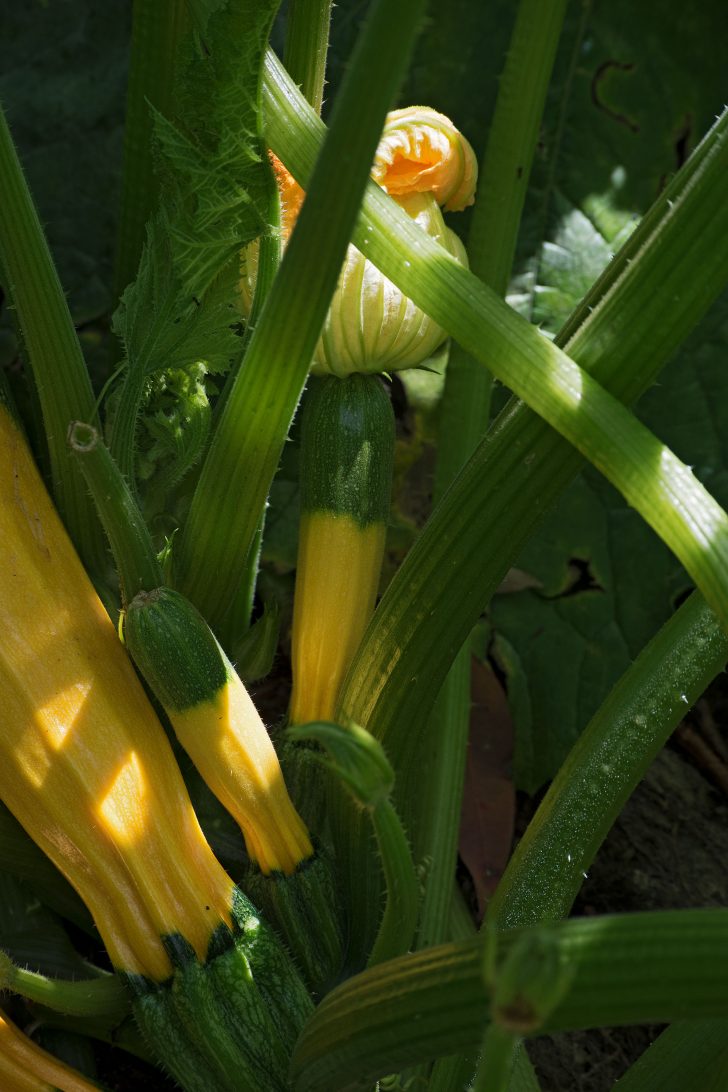
Sometimes you get a nice surprise when growing vegetables from your own collected seed. One of them is when a seedling displays an interesting new characteristic like colour or shape. In this case a batch […]

Purslane is a much underrated food plant and often just seen as a weed and It grows natively on many continents. It tends to be very seasonal and grows very fast and produces vast amounts of seed […]

The beauty of random pollination. This round Zucchini is a cross between the classic Costata Romanesco Zucchini and a primordial white squash Zucchini cross I had come up as a sport a few years ago. I have been […]
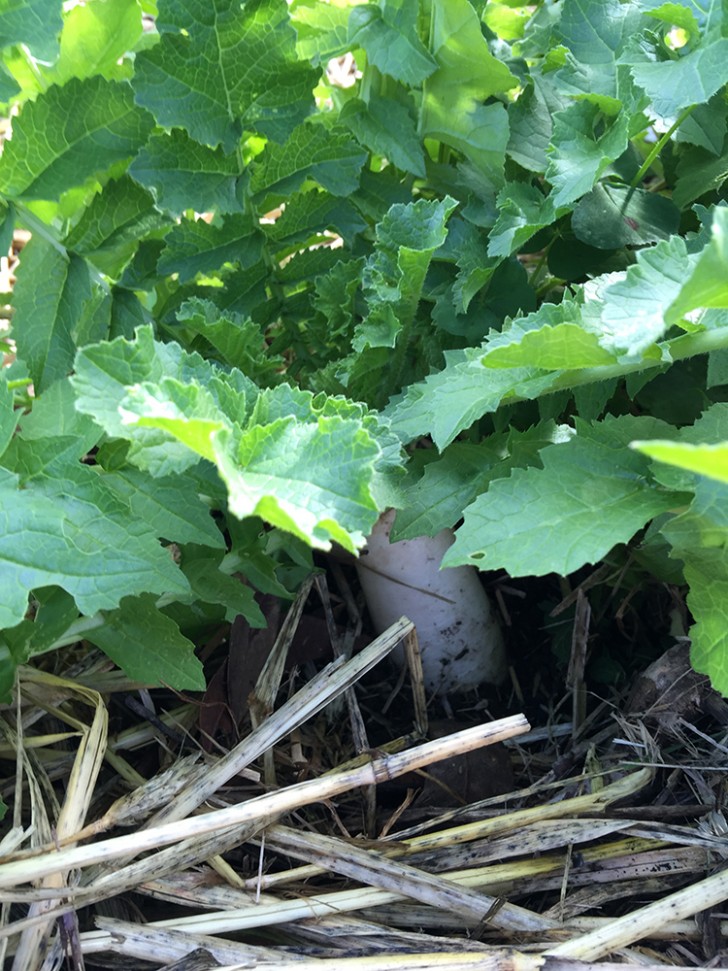
Daikon or ‘Big Root’ is a common name for a group of large (mostly) white radish plants. There is quite a bit of variation and they can look and taste subtly different but essentially all like […]

Winter savory – Satureja montana – is a very cold hardy perennial herb that has a distinct green peppery flavour – somewhat like thyme but more pine tinged. It is one of those flavours that people […]
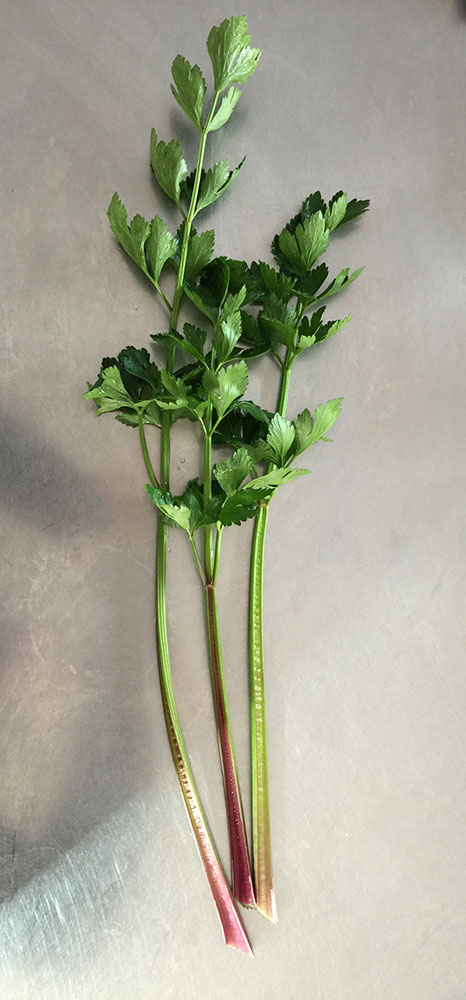
Red Stem Celery is a very old variety from the 1700’s or before. It has the old growth habit of generally producing fairly thin stems. Also it has a very intense flavour in the leaf […]

Prostanthera incisa is a traditional native Australian bush food which is sometimes called the ‘cut leaf mint bush’ due to it’s incised leaf edges. It has an almost severe intensity of flavour with a fairly strong […]

This is simply a list of some of the main ingredients I use myself or supply for making herb teas. This may be in the form of material that is freshly picked, frozen or dried. ‘Herb […]
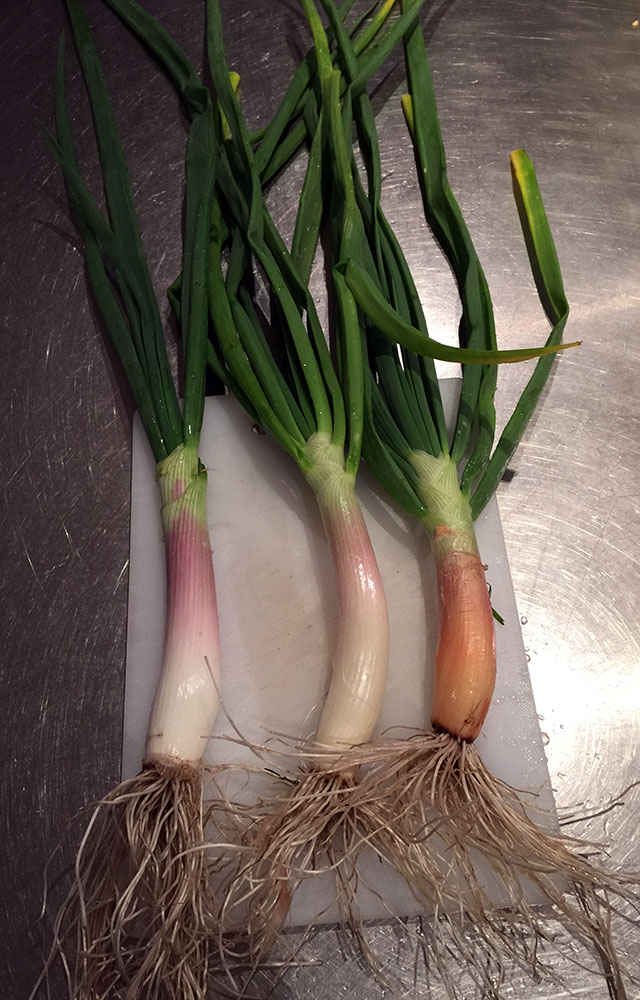
Rossa Lunga Di Firenze or ‘long red of Florence’ is an Allium fistulosum group onion that has a superb flavour and texture. They can grow quite large and the bases eventually swell up into a […]
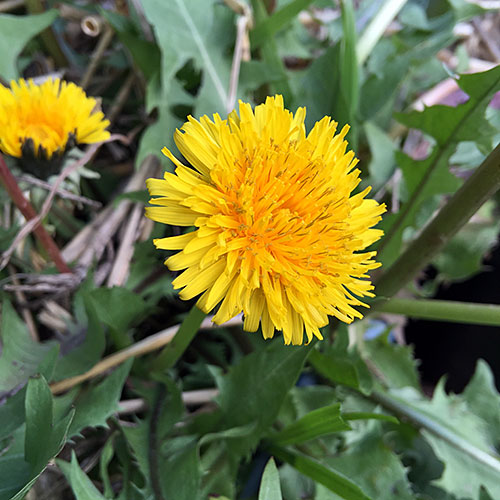
Dandelion has been used for ages as a general food plant and for medicinal purposes. It has a very nice clean ‘wild’ greens flavour in the leaf, the flowers are a little spicy and the roots […]
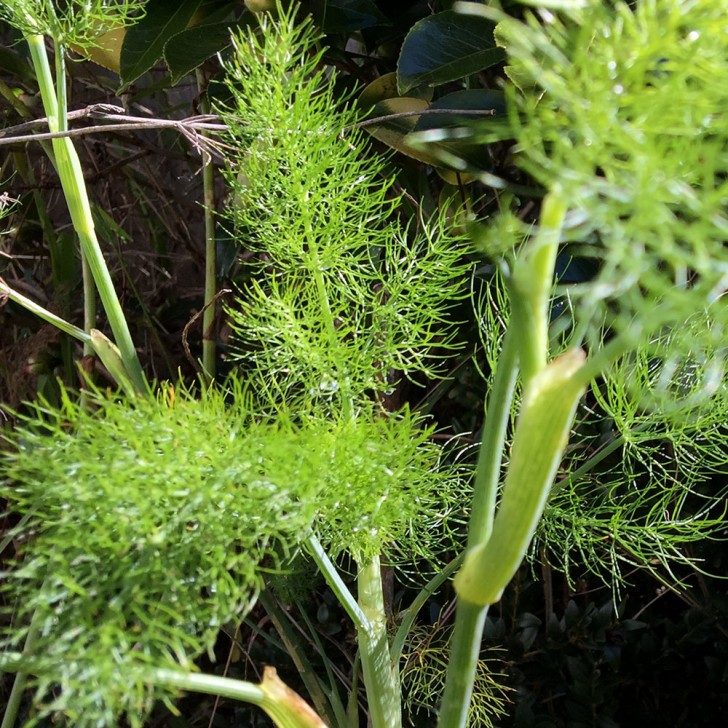
Fennel – Foeniculum vulgare – is a versatile perennial herb or harvested vegetable. It can be used in a number of ways in savoury or sweet dishes. And it has a fairly long usable growing period if […]
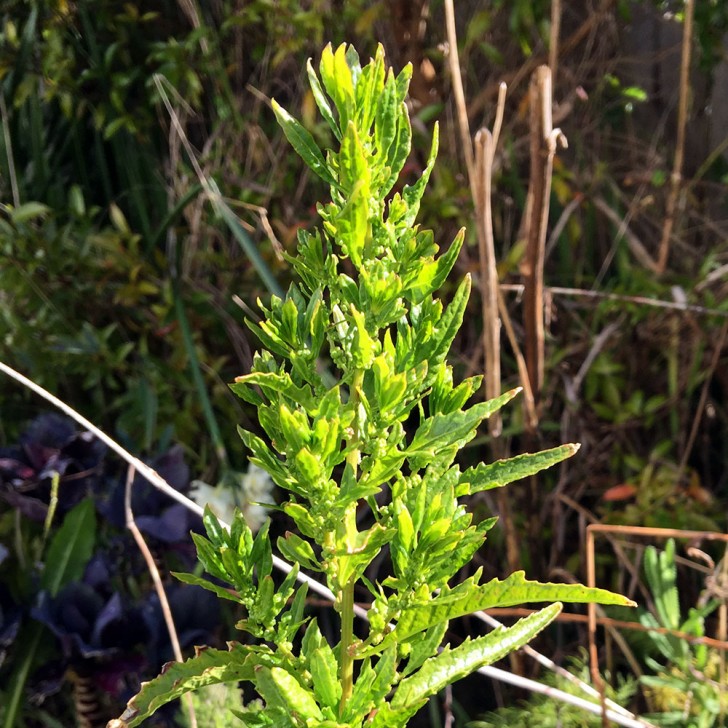
OK – so why grow something that tastes like Kerosene? Epazote – Dysphania ambrosioides (syn Chenopodium ambrosioides) – is a fast growing very hardy plant (weed?) that produces seed like a blizzard and is a short […]
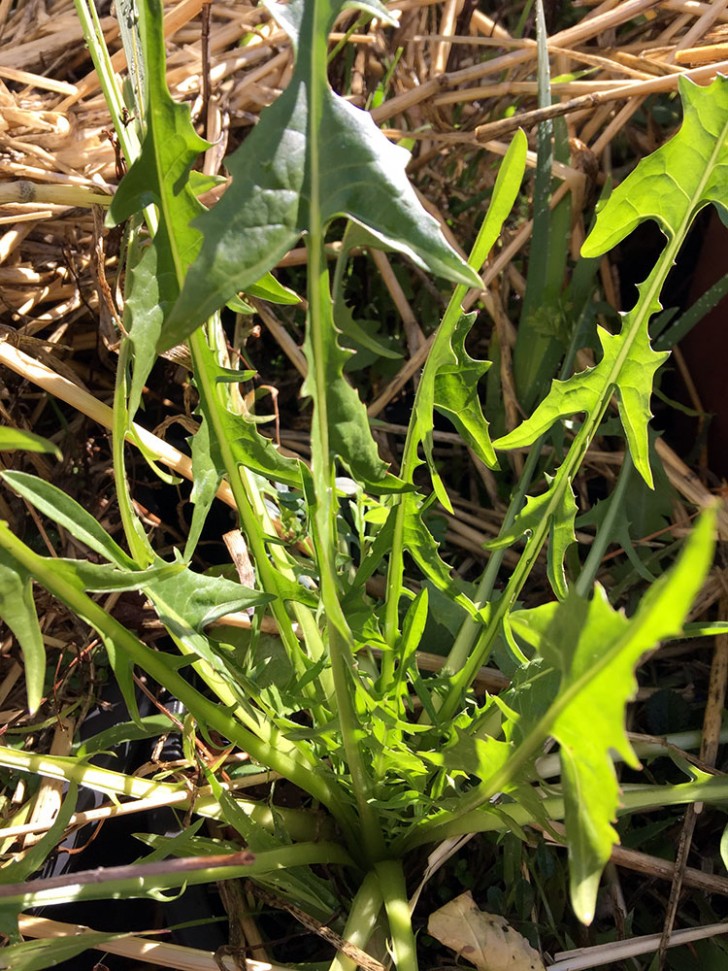
Catalogna Chicory is a subtle tasting leaf and stem that can be eaten fresh and raw or blanched and/or added to cooked dishes. If you have it raw you can simply search out the smallest newest […]
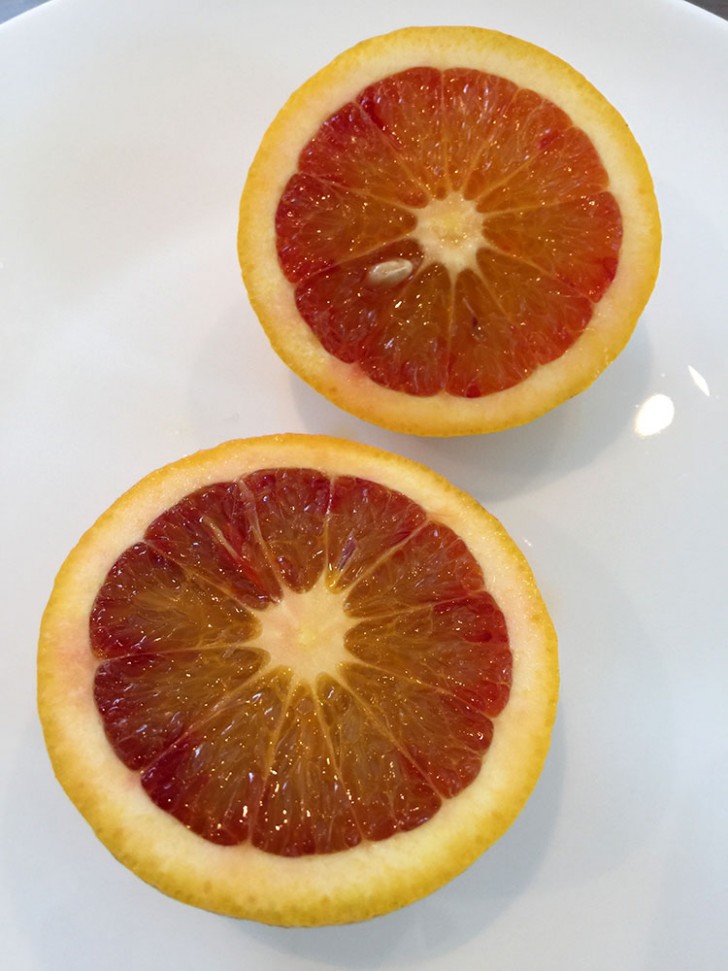
Blood Orange is generally a very productive citrus. It usually has quite dense foliage and makes for an attractive small fairly cold hardy tree. They grow steadily and you can see quickly if they need extra food […]
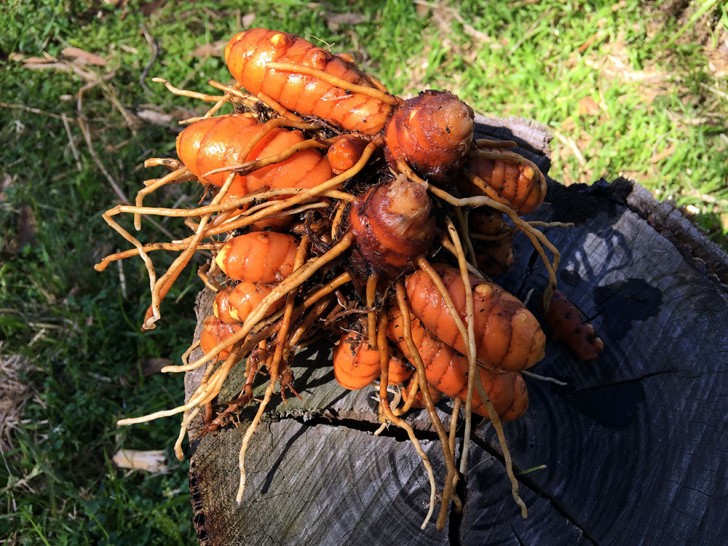
Turmeric – Curcuma longa – is so much better if it’s fresh. This perennial ginger like rhizome has a light crunchy texture and mild zingy flavour somewhat like a ginger infused carrot. It has a nice long lingering […]
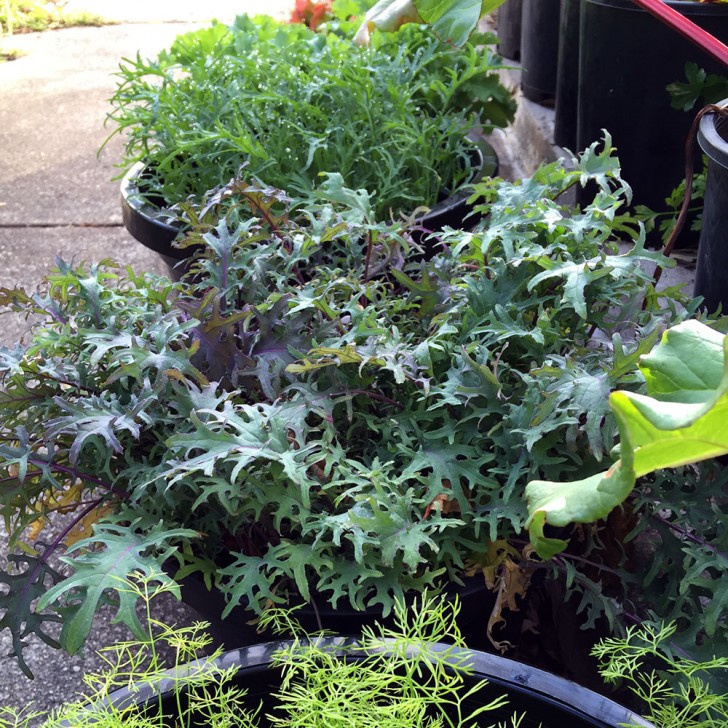
So there are lots of tasty varieties of Kale out there. They all have different structure, physical ‘mouth feel’, smell and taste at various stages of growth. Generally the smaller the leaf the softer and […]
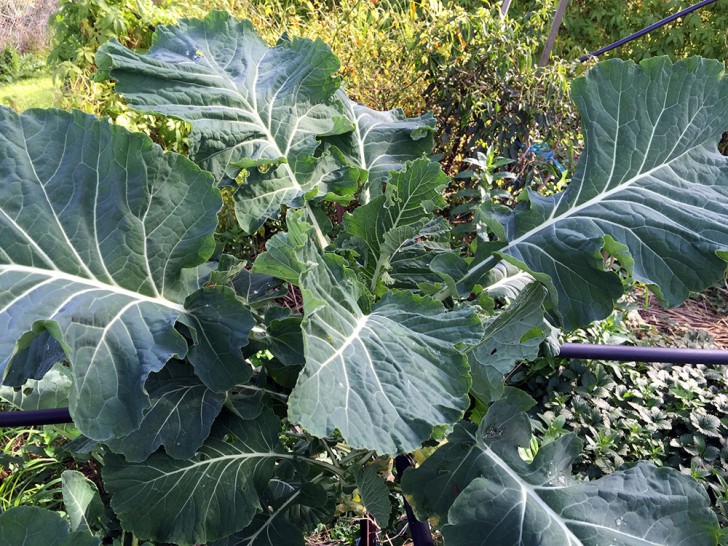
Who knows where this originated… but this group of Kales ( Brassicas – various species ) has come to be identified very clearly with the Portuguese cuisine and especially the classic soup made with it. The […]
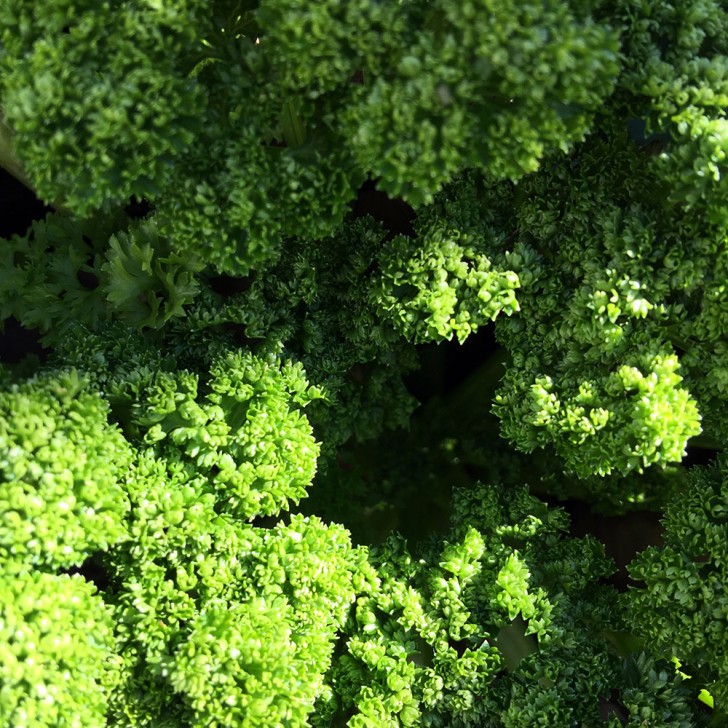
This is a very old variety of curled parsley with a very intense flavour profile. It is excellent for making pesto by itself or combined with basil and garlic and the nut of your choice. […]
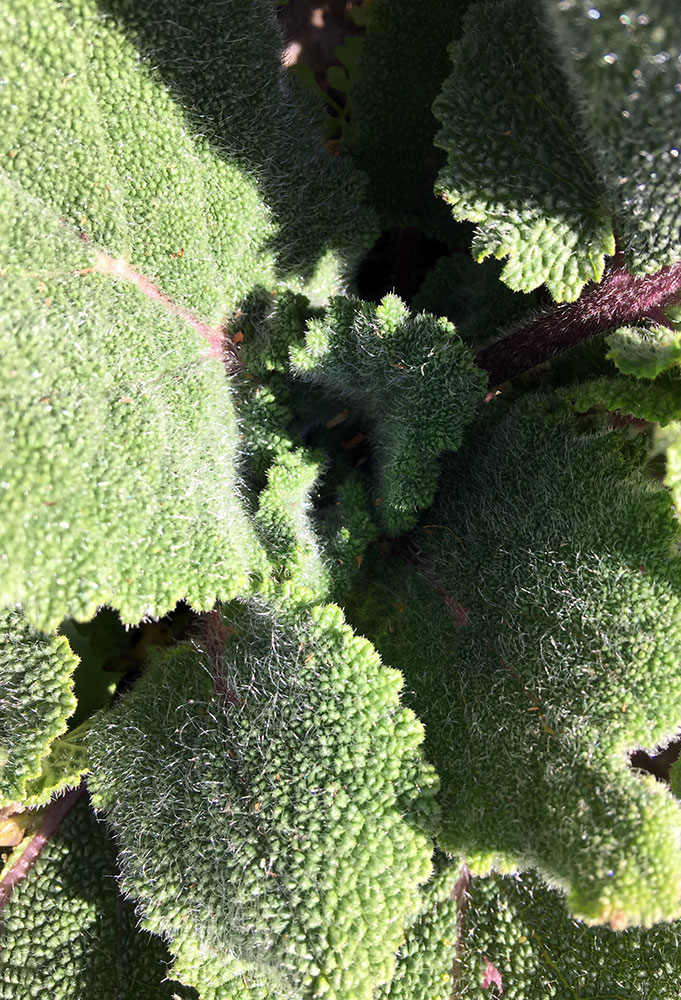
This plant was commonly used for an eye wash which is where it gets it’s common name from. It has a range of interesting chemicals in it that have antibiotic characteristics. But it also has […]
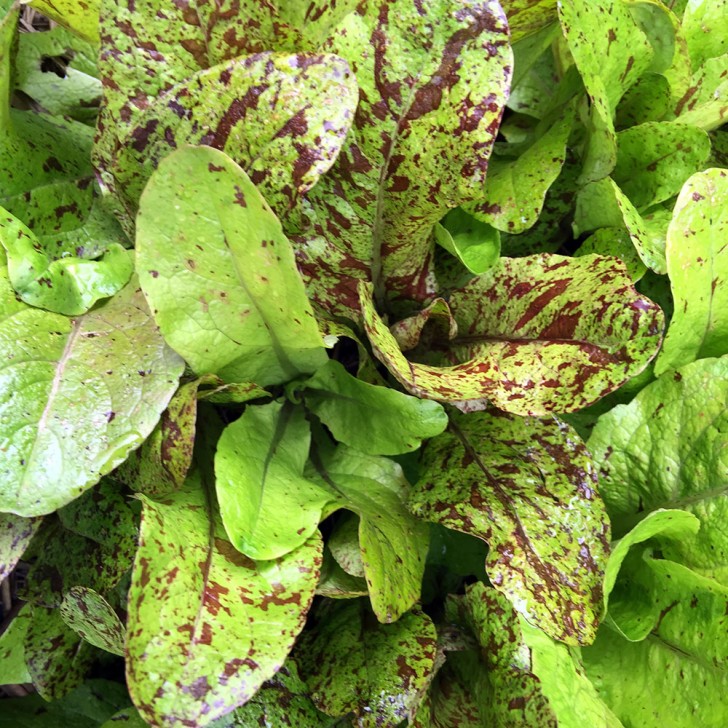
The Freckles lettuce is an old Romaine style from the 1790’s in Austria. Is a solid grower and will thrive in cold and wet weather and equally grow well in the warmer months. It has […]
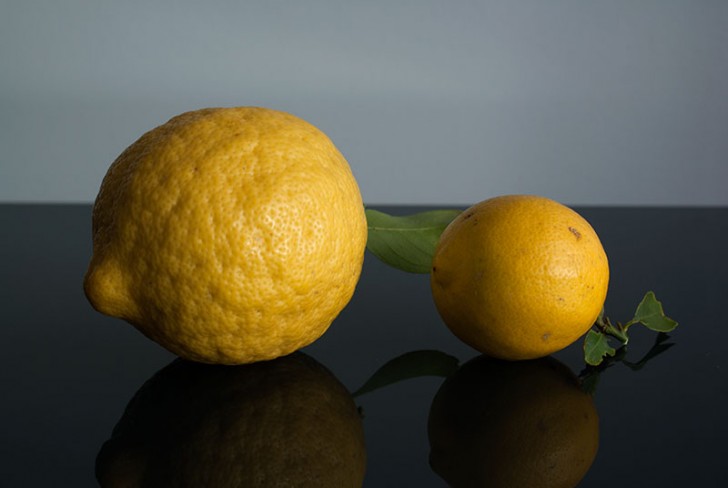
There are few edibles that come close to the utility and value of a Lemon – Cirus x limon. Everyone should have a lemon tree at home – be it in the ground or a […]
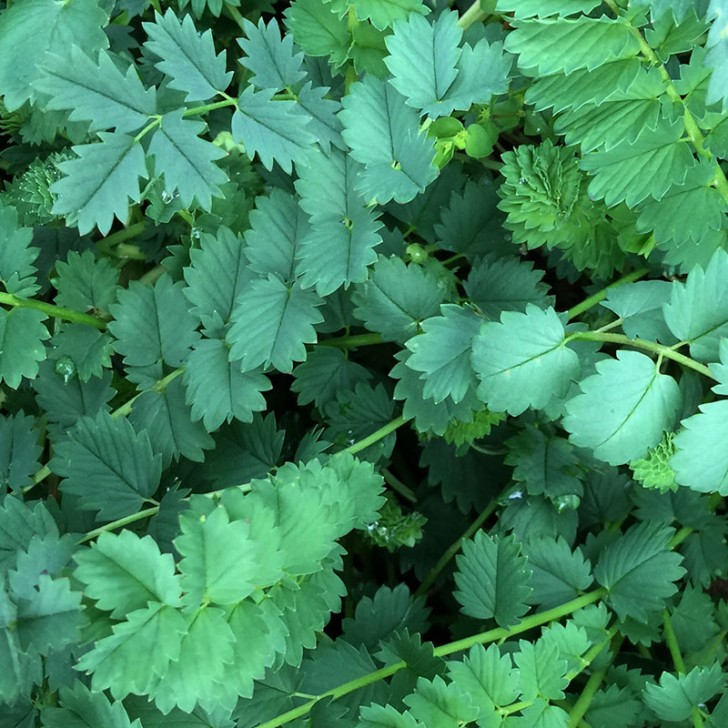
Salad Burnett or Sanguisorba minor is a smallish perennial seasonal herb that tastes a bit like a slightly astringent parsley with a cucumber and mint overtone. In my climate it tends to favour the cooler wetter […]

Oca is a tasty little South American Andes plant that has been around in the south pacific for a while. It is the tuberous root of Oxalis tuberosa which is quite large for an Oxalis family […]
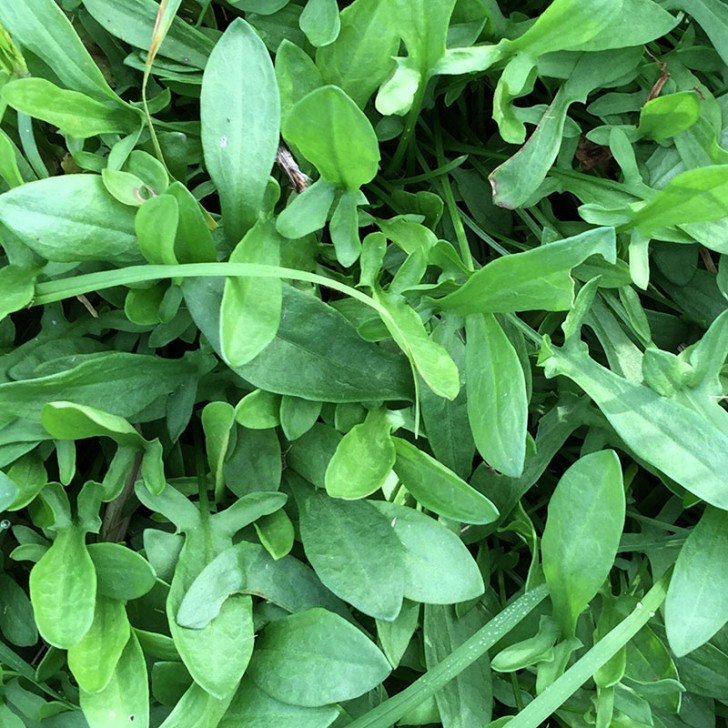
This is a really good ‘eat the weeds’ plant!. Rumex acetosella is a perennial plant commonly known as ‘sheep’s sorrel’ and is a very small ground hugging green leafy herb that grows from a fine rhizome. […]
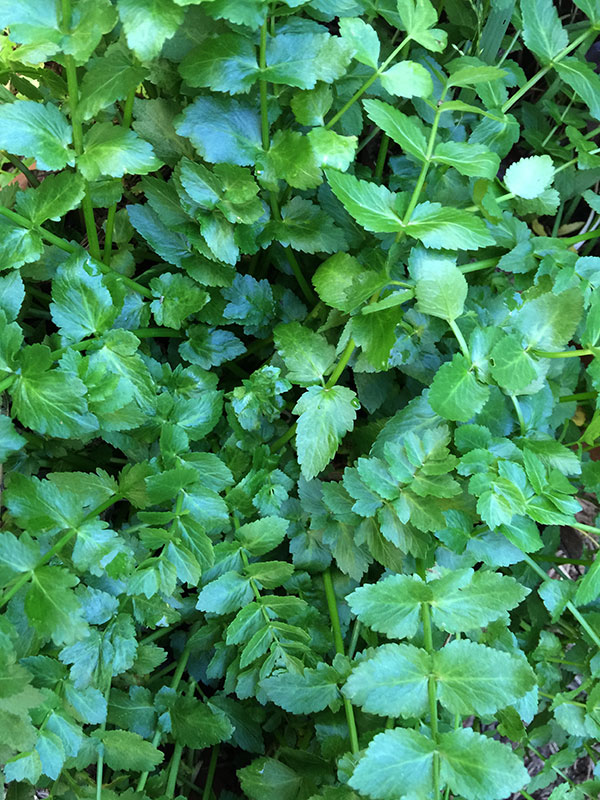
Note – It seems in Australia there is a bit of confusion about the identity of the plant known commonly here as ‘Lebanese cress’. Berula erecta is an Australian native water plant (it also occurs elsewhere […]

Silene vulgaris is a small european & mediterranean perennial leafy plant that has leaves that taste like a subtle cross between spinach and cucumber with a slight bitter twist that disappears with blanching or cooking. It is […]

Valerianella locusta is often called ‘Corn Salad’ or ‘lambs lettuce’. Originating as a forage food it eventually became an accepted and even desired cool growing leafy green food. It usually has a fairly simple slightly […]
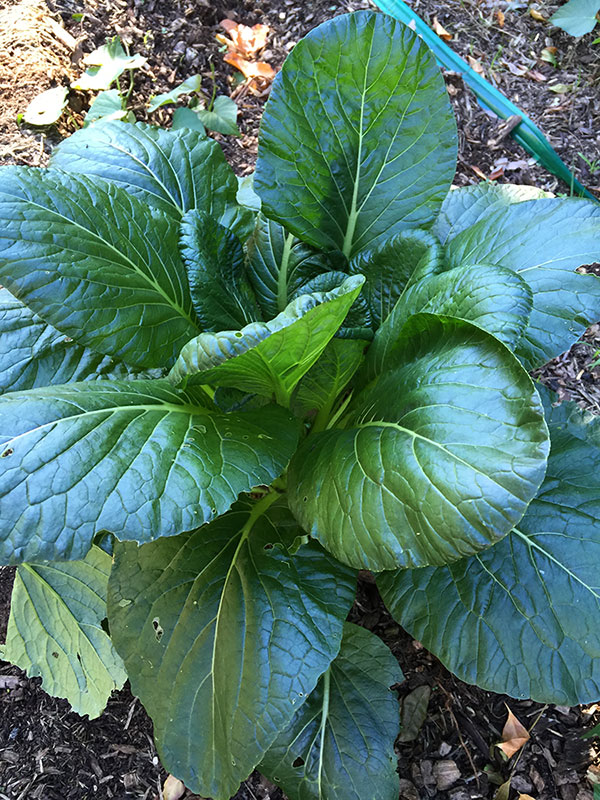
Komatsuna (Brassica rapa var. perviridis) is a classic Japanese brassica green. It is a medium sized plant shaped like a typical open cabbage family plant. The white or green leaf stems grow to about 40cm high and the […]

Alexanders is a biennial mediterranean winter herb or vegetable that has a distinct celery like flavour. It is an interesting replacement for the often very bland and one layered taste of mass produced celery that was […]

There are so many limes to choose from and each has their own unique flavour and best uses! Two of the most useful which I grow are the Tahitian Lime – Citrus latifolia which is […]
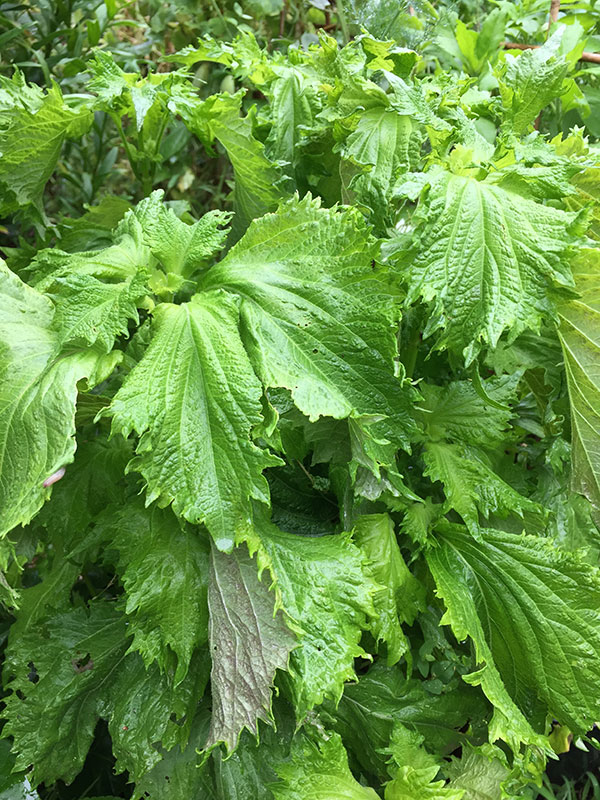
Perilla or Shiso has a very distinct and some would say pungent flavour and scent. It is commonly often also called ‘BeefSteak’ plant after (I assume) it’s somewhat ‘meaty’ taste and texture. The species is […]
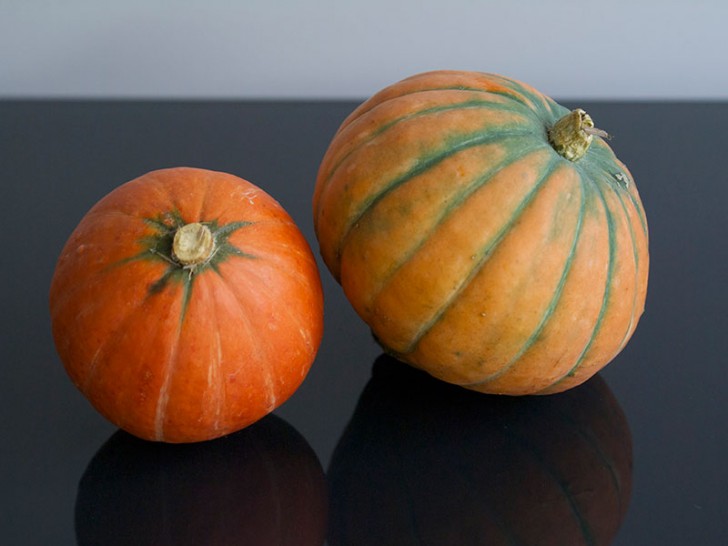
Gold Nugget is a small tasty little variety of pumpkin that grows usually on a small bush like plant and produces a lot of fruit. Because the plant never gets bigger than about a metre wide […]

Sechium edule or Chayote comes originally from Mexico and the central American region. I have grown up with this name for it and also the common local name in NZ and Australia of ‘Choko’. It is a […]

Kamo is an heirloom Japanese variety of Eggplant from the area of Kamo. It has a round ball shaped fruit and grows on a fairly short plant that seems to come into production quite quickly. […]
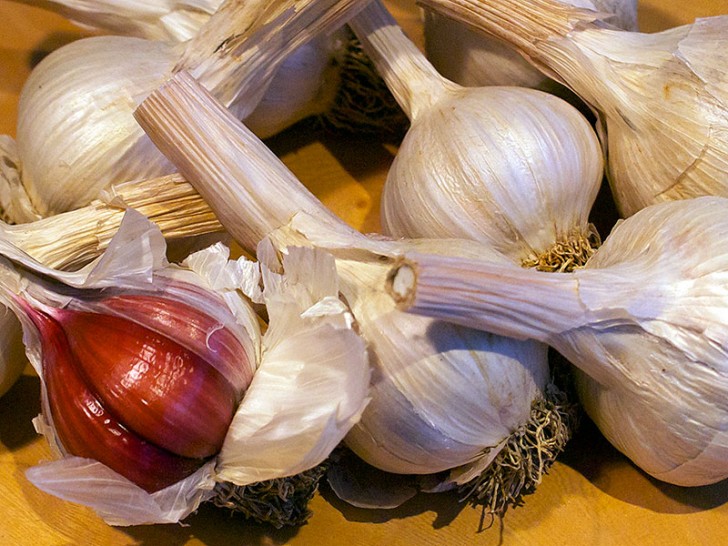
This years Garlic harvest has been quite successful. I have been growing quite a lot of test varieties the last two years to build up seed for hopefully a good sized commercial crop in the […]
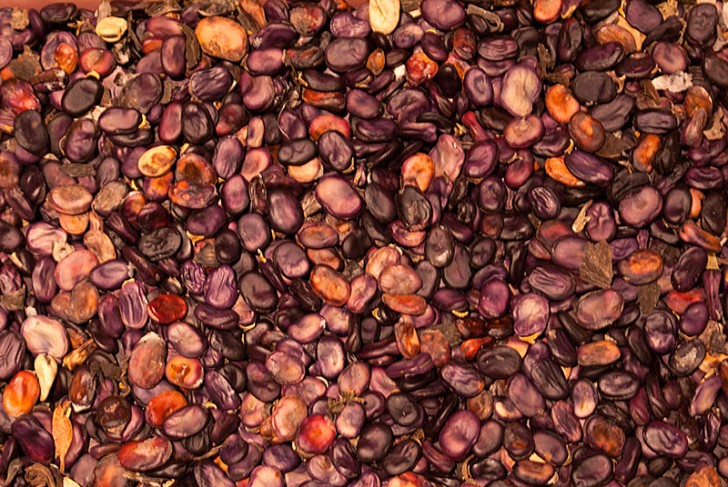
Violetta is a Broad Bean variety that seems to be commonly grown in parts of Italy. It has dark purple bean skins on maturity and the usual green inside. There can be some variation and […]
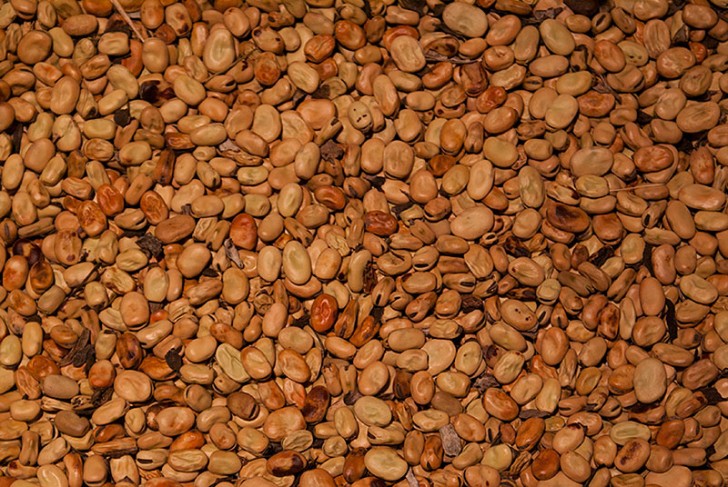
The Egyptian Ful is a short pod type Broad Bean that has quite small plants that bear small pods profusely, The small beans inside the pods are a light green/brown drying to a light tan […]
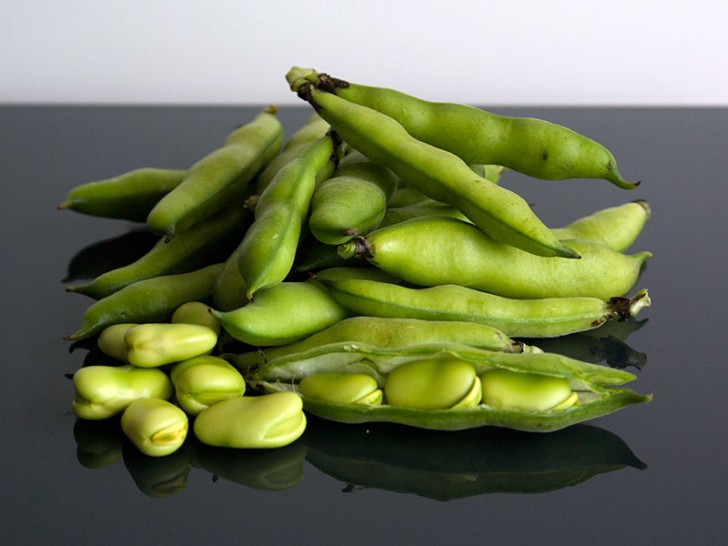
Peruvian Emerald is a short pod type Broad Bean. The plant generally stays fairly small and the pods have a small number of beans averaging about 2-3 in each pod. It is a fairly fast grower […]
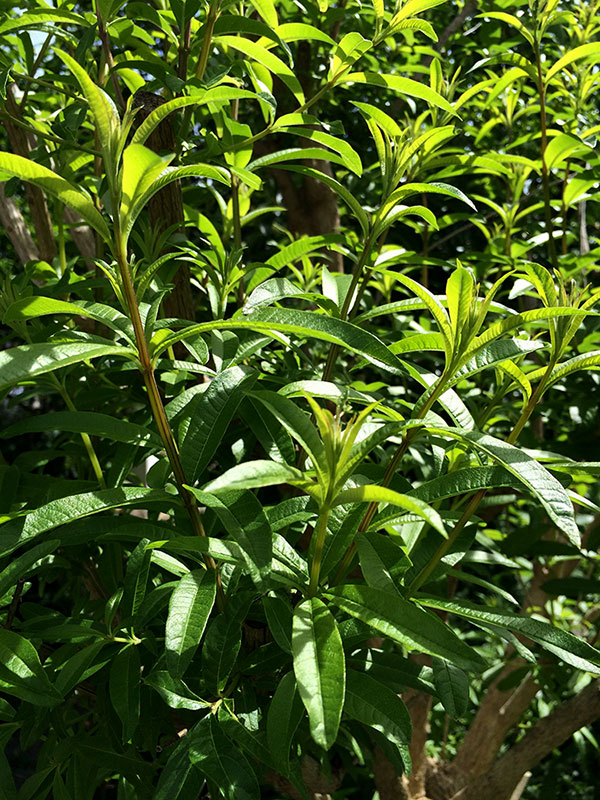
Aloysia citrodora or Lemon Verbena is a wonderful deciduous perennial to grow. It will grow quite large and woody after a few years but if you keep cutting it back hard each year it just […]
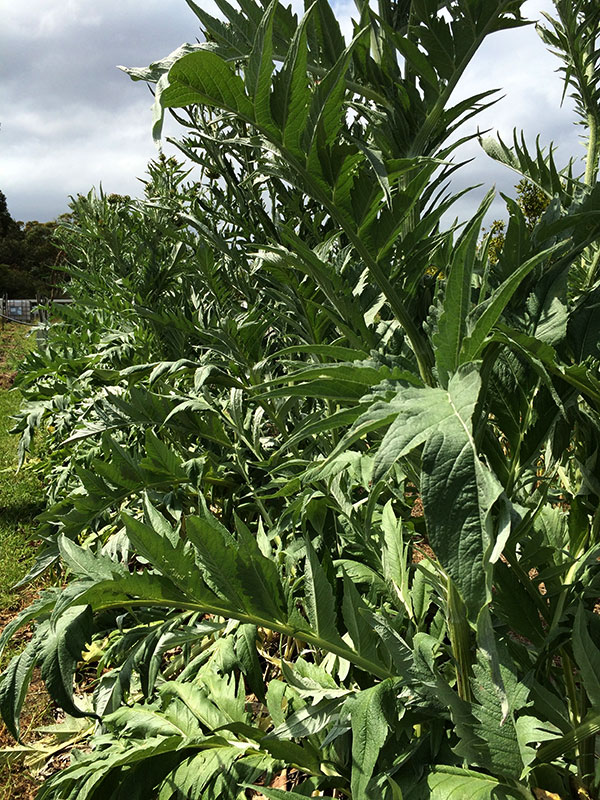
The Cardoon is a cultivar of the same perennial plant species as Artichoke – Cynara cardunculus. They grow much the same way and in the same conditions however the point of growing the cardoon is to […]
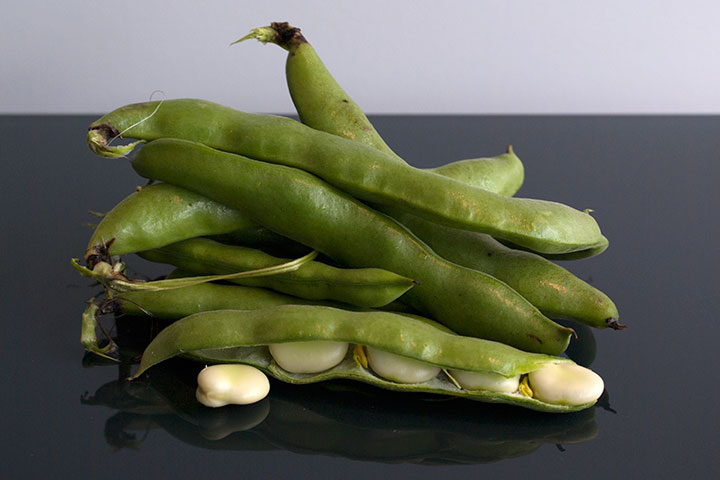
Robin Hood is a short compact but heavily cropping variety of broad bean. It has a fairly distinct green bean especially when young. The image here is of the fully mature beans at the end of […]
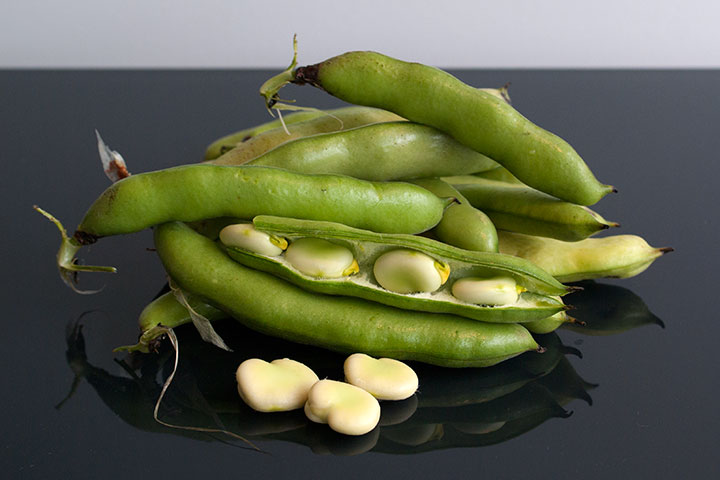
Witkiem Manita is a fairly fast growing Broad Bean that has fairly early large pods that average about 5 beans per pod. The beans are a nice mid green colour and especially when picked early have a […]

The red Grumolo is a nice looking and tasting small Radicchio. Radicchio is a perennial chicory – Cichorium intybus – and grows well during winter when it develops it’s best leaf form and colour. They are […]

Kale comes in a number of forms and Black Toscana is possibly the best looking and has the best and most refined taste. It is variably known as ‘Nero di Toscana’, ‘Tuscan Kale’ and ‘Cavola […]

Coriandrum sativum is a versatile plant that can be used in many ways. It’s best to think of Coriander as the seed used as a dry spice while Cilantro is the green herb leaf. And even though […]

Tamarillo – Solanum betaceum is a very distinct fruit that people tend to have a polar opinion of and either very much like or dislike. It has a fairly tart flavour and can be used in either […]

Sunchoke is also known as Jerusalem Artichoke although it originates from the Americas and is a Sunflower and has no relationship to Artichokes at all. They are a very tasty root vegetable that are sadly under used and […]
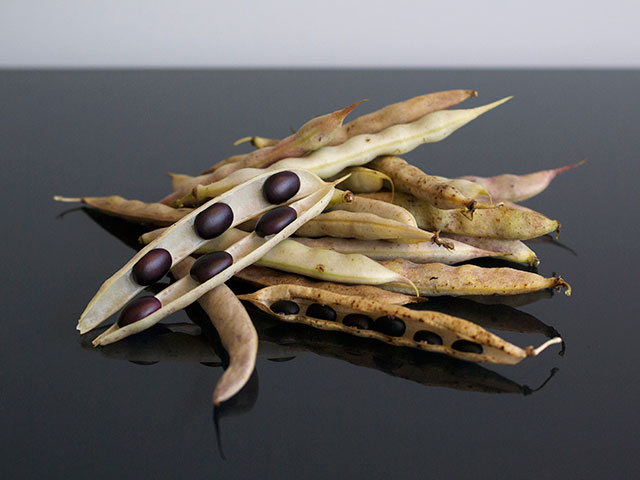
The Black Turtle bean is a full flavoured and nicely textured ‘dry’ bean that is perfect for the Mexican and South American food experience. When you cook them the water stains with the black colour […]
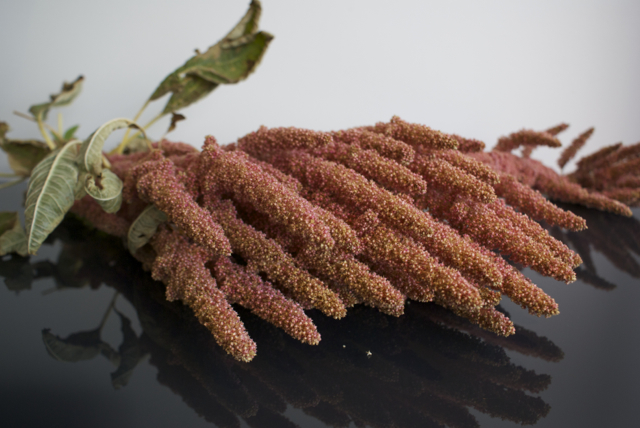
Amaranthus caudatus is a very old food plant that can be grown for both it’s edible seed and it’s edible leaf. If it’s given a long sunny growing season and a good soil it will grow […]

Mitsuba is a giant rustic Parsley and is often referred to as Wild Japanese Parsley. It has a fairly distinct parsley and/or celery like taste and is an excellent base herb for use in soups or stocks […]
You must be logged in to post a comment.